
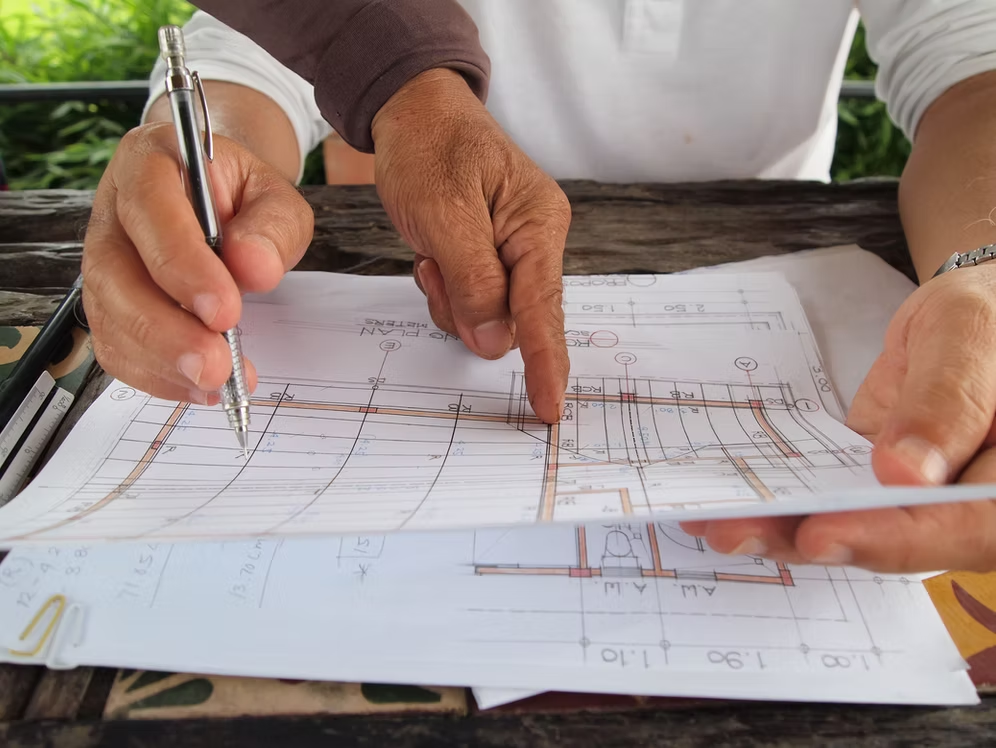
To the uninitiated, getting a construction permit seems like a purely administrative task: fill out a form, pay a fee, and wait. But any experienced contractor or architect knows that the municipal system is a complex maze of zoning boards, environmental regulations, health departments, and fire codes. This is where a permit expediter steps in.
But what exactly does their day-to-day work look like, and how do they add value to a project team?
The Key Roles of a Permit Expediter
A permit expediter is a specialized consultant who acts as an authorized liaison between project stakeholders and municipal code officials. They don’t have a “magic stamp” to bypass city laws; instead, they use systemic expertise to navigate bureaucracy efficiently.
Their primary responsibilities include:
- Due Diligence and Code Assessment: Before any papers are filed, an expediter analyzes local zoning laws, setback requirements, and land-use restrictions to flag potential roadblocks early.
- Assembling and Quality-Checking Submissions: They ensure that building plans, structural calculations, and environmental impact forms are fully complete and formatted to the precise requirements of the local jurisdiction.
- Active Relationship and Pipeline Management: Rather than letting a file sit in an inbox, they closely monitor its progress through various municipal departments (Zoning, Water, Fire, Environmental) to address questions instantly.
Why Architects and Contractors Rely on Them
Designers are experts in aesthetics and structural integrity, while contractors excel at physical execution. Neither group’s time is best spent waiting in line at a codes administration building or refreshing an online municipal portal.
Data from the International Code Council (ICC) highlights that overlapping local amendments to standard building codes make multi-state compliance remarkably difficult for non-specialists. A professional permit expediter understands these localized quirks intimately. For example, Municipal Inspection Partners (MIP) leverages deep roots in local markets like Nashville while maintaining the capacity to scale operations across all 50 states, ensuring consistent project momentum regardless of local administrative hurdles.